
Last updated: October 2026 | Pricing checked on October 15, 2026 | 9 min read
Postmark has a strong reputation for one thing: getting transactional email (password resets, receipts, alerts) into the inbox fast. Developers like its clean API, clear logs and strict separation between transactional and broadcast mail. So why do teams look for Postmark alternatives? Usually it’s price as volume grows, or wanting marketing email in the same account.
We compared seven Postmark alternatives on price at 10,000, 50,000 and 100,000 emails a month, free plans, API and SMTP support, logs and deliverability tools. We also added a short Postmark vs SendGrid comparison, since that’s the matchup people search for most.
Our pick for most teams is the Mailercloud Email API. It costs $10/month for 50,000 emails, offers SMTP and REST, and includes email marketing in the same account. Amazon SES is cheaper at very high volume for teams with engineers to manage it.
Quick Answer: The Mailercloud Email API is the best Postmark alternative in 2026 for most teams: SMTP and REST sending for $10/month for 50,000 emails (Postmark Basic: $15 for 10,000, then $1.80 per extra 1,000), with email marketing in the same account. Amazon SES is cheapest at scale ($0.10 per 1,000), Mailgun is best for logs and inbound email, and SendGrid has the biggest ecosystem.
Table of Contents
Why Look for a Postmark Alternative?
- Price at higher volume. Postmark Basic costs $15/month for 10,000 emails, and extra emails cost $1.80 per 1,000. That adds up quickly once you pass 10,000 a month.
- Limited marketing email. Postmark supports broadcast streams, but it’s built for transactional mail and keeps strict rules on what you can send. Teams that want newsletters and automation need a second tool.
- Small free allowance. The free developer plan includes 100 emails a month, which is enough to test but not to run a side project.
- Ownership. Postmark is now part of ActiveCampaign, and some teams prefer an independent provider or one with marketing built in.
Sidenote: Postmark’s speed and deliverability reputation are real. If transactional mail is mission-critical and your volume is modest, staying put is a reasonable choice. Switch when cost or the need for marketing email outweighs that.
How We Compared
- Price at 10,000, 50,000 and 100,000 emails, from each provider’s pricing page.
- Free plan or trial.
- API and SMTP relay support.
- Logs, webhooks and analytics.
- Marketing email in the same account.
Postmark Alternatives at a Glance
| Alternative | Best For | Price at 50,000 | Free Option | Standout |
|---|---|---|---|---|
| Mailercloud Email APIOur Pick | Most teams | $10 (50K) | 14-day trial | SMTP + API + marketing |
| Amazon SES | Scale on AWS | $5 (50K) | Pay as you go | $0.10 per 1,000 |
| Mailgun | Logs & inbound | $35 (50K) | 100/day | 30-day logs on Scale |
| SendGrid | Ecosystem | $19.95 (50K) | 60-day trial | SDKs, plugins |
| SMTP2GO | Simple SMTP | Scales (from $15) | 1,000/month | Phone support |
| SparkPost | High-volume analytics | $15 (50K) | Test plan | Deep analytics |
| Brevo | Free daily relay | By emails | 300/day | Marketing + SMTP |
1. Mailercloud Email API — Best Overall Postmark Alternative
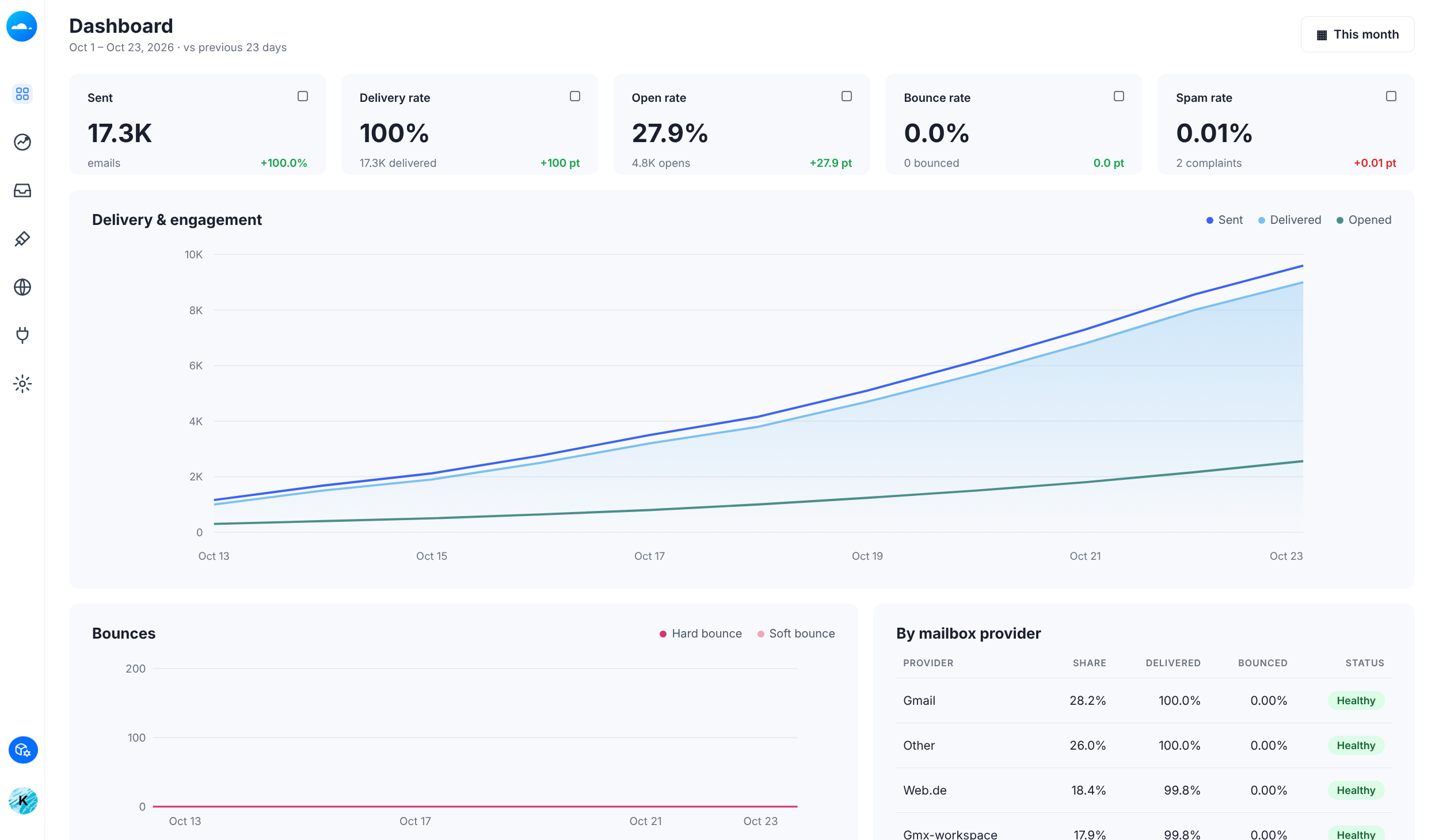
The Mailercloud Email API is the best Postmark alternative for most teams in 2026. It costs $10/month for 50,000 emails. On Postmark Basic, 50,000 emails means $15 for the first 10,000 plus $1.80 for every extra 1,000. You can send through SMTP relay or the REST API, so it works with frameworks, CMS plugins and business software.
Unlike Postmark, the same account includes Mailercloud’s email marketing platform. That means newsletters, automation and segmentation sit next to your transactional sending, with one domain setup and one bill. You also get the email verifier to stop bad addresses bouncing, and Inbox Tracker to see where your mail lands.
The trade-offs: Mailercloud’s ecosystem of SDKs and third-party plugins is smaller than SendGrid’s, and at exactly 100,000 emails a month you’d move to the $100 plan (500,000 emails).
Key features
- SMTP relay and REST API
- $10/month for 50,000 emails; $100 for 500,000; $450 for 2.5 million
- 14-day free trial
- SPF, DKIM and DMARC setup for your own domain
- Delivery logs and analytics
- Email marketing, verifier and Inbox Tracker in the same account
✅Mailercloud Email API Pros:
- $10/month for 50,000 emails; $100 for 500,000; $450 for 2.5M
- SMTP relay and REST API on every plan
- Email marketing in the same account, with no second vendor
- Email verifier and Inbox Tracker for deliverability
- 14-day free trial
- SPF, DKIM and DMARC setup for your own domain
❌Mailercloud Email API Cons:
- Smaller SDK and plugin ecosystem than SendGrid
- At exactly 100,000 emails you need the $100 plan
- No permanent free plan
💰Pricing: $10/month for 50,000 emails; $100 for 500,000; $450 for 2.5M. 14-day free trial.
Pricing: $10/month for 50,000 emails; $100 for 500,000; $450 for 2.5 million; 14-day free trial.
Best for: Teams sending up to 500,000 transactional emails a month who also want marketing email.
Try the Mailercloud Email API — SMTP and REST, $10/month for 50,000 emails, with a 14-day free trial.
2. Amazon SES — Cheapest at Scale
Amazon SES charges $0.10 per 1,000 emails, so 100,000 emails cost about $10. Dedicated IPs cost $24.95/month each. It’s the cheapest option here by a wide margin.
The cost is your time. New accounts start in a sandbox and must request production access, and logs, dashboards and bounce handling need extra AWS services. Support beyond the basics needs a paid AWS plan.
✅Amazon SES Pros:
- Lowest price per email: $0.10 per 1,000
- Scales to very high volume
- Fits naturally if you already run on AWS
❌Amazon SES Cons:
- Developer-heavy setup and sandbox approval
- No built-in dashboard as clear as Postmark’s
- Hands-on support needs a paid AWS plan
💰Pricing: $0.10 per 1,000 emails; dedicated IPs $24.95/month each.
Best for: Engineering teams on AWS sending high volume.
3. Mailgun — Best for Logs and Inbound Email
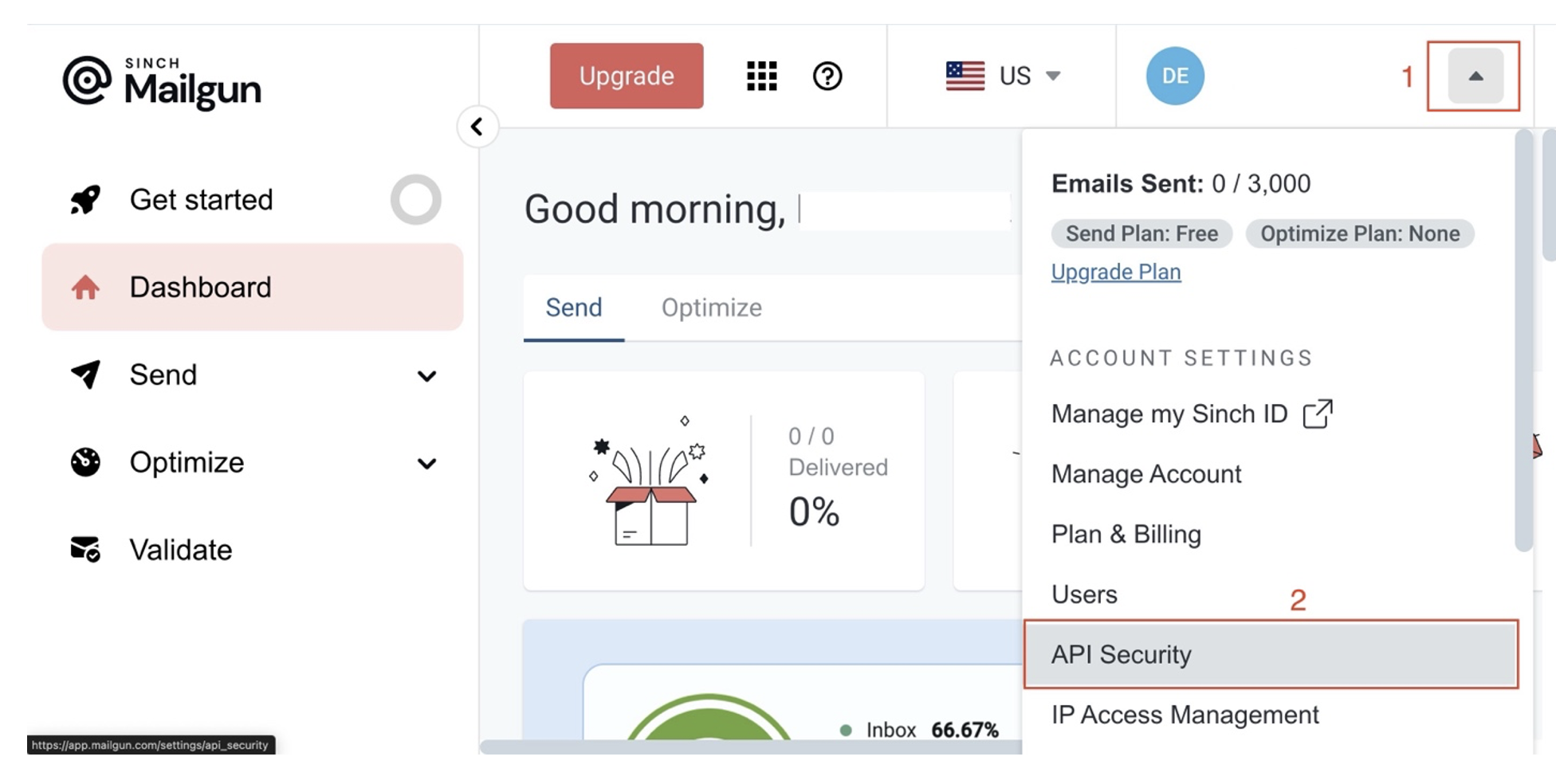
Mailgun is a developer favourite with a strong API, SMTP relay, flexible inbound routing and email validation. Log retention grows with your plan: 1 day on Basic, 5 on Foundation and 30 on Scale.
The free plan allows 100 emails a day. Basic costs $15/month for 10,000 emails, Foundation $35 for 50,000 and Scale $90 for 100,000.
✅Mailgun Pros:
- Powerful API and inbound routing
- 30-day logs on Scale
- Free plan: 100 emails a day
❌Mailgun Cons:
- Short log retention on Basic (1 day)
- Costs more than Mailercloud at 50,000 emails
💰Pricing: Free (100/day); Basic $15 (10K); Foundation $35 (50K); Scale $90 (100K).
Best for: Developers who need inbound email and detailed logs. See our Mailgun alternatives too.
4. SendGrid — Best Ecosystem
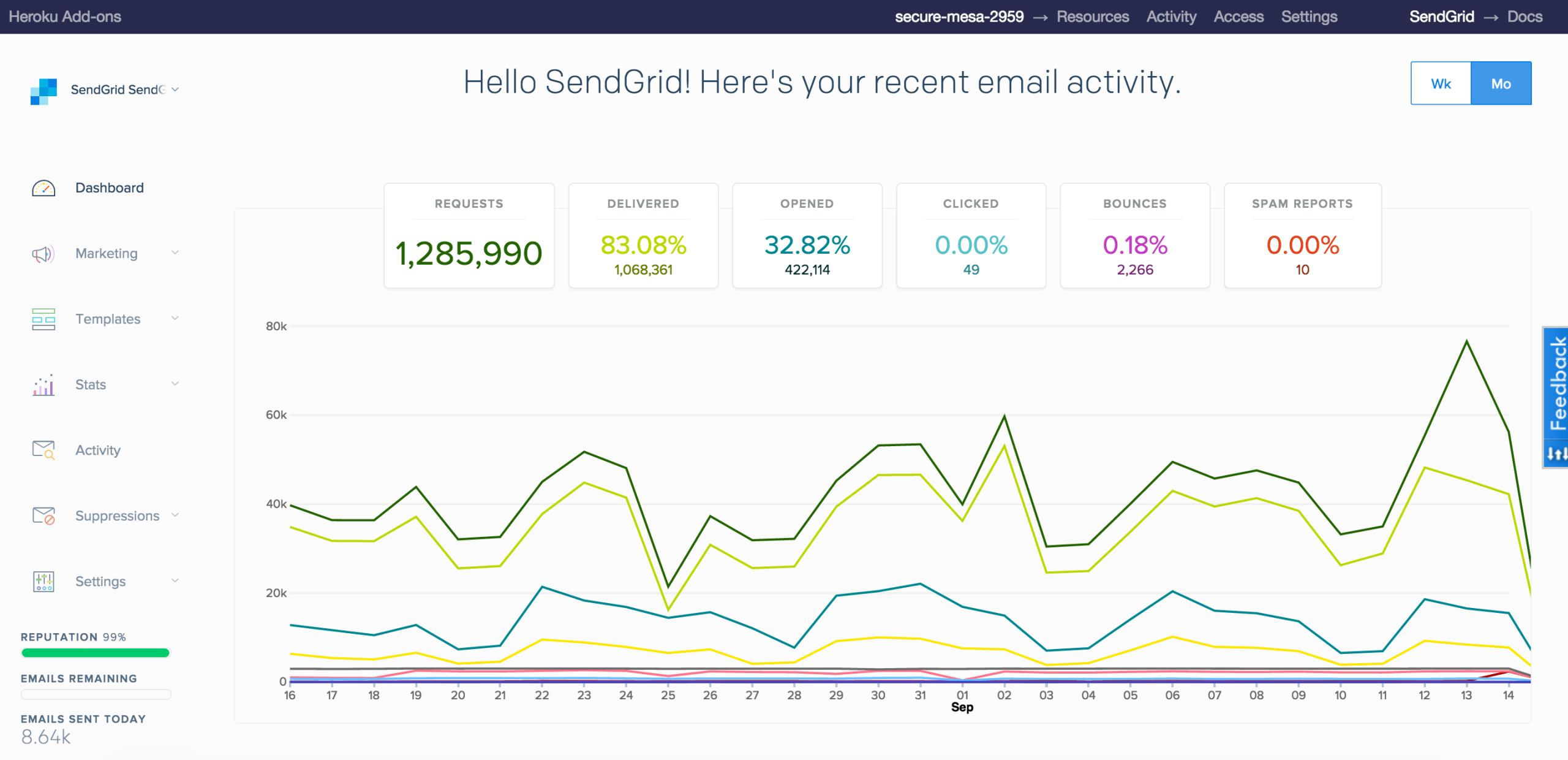
SendGrid has the biggest ecosystem of SDKs, plugins and tutorials, and it’s built into many platforms by default. There’s a 60-day free trial (100 emails a day). Essentials costs $19.95/month for up to 50,000 emails, and Pro $89.95/month for 100,000 with a dedicated IP.
✅SendGrid Pros:
- Largest ecosystem of SDKs and integrations
- Dedicated IP on Pro
- Marketing Campaigns available in the same account
❌SendGrid Cons:
- No permanent free plan
- About twice Mailercloud’s price at 50,000 emails
💰Pricing: 60-day trial; Essentials $19.95/month (50K); Pro $89.95/month (100K).
Best for: Teams that want the widest integration support. See our SendGrid alternatives.
5. SMTP2GO — Best Simple SMTP Relay
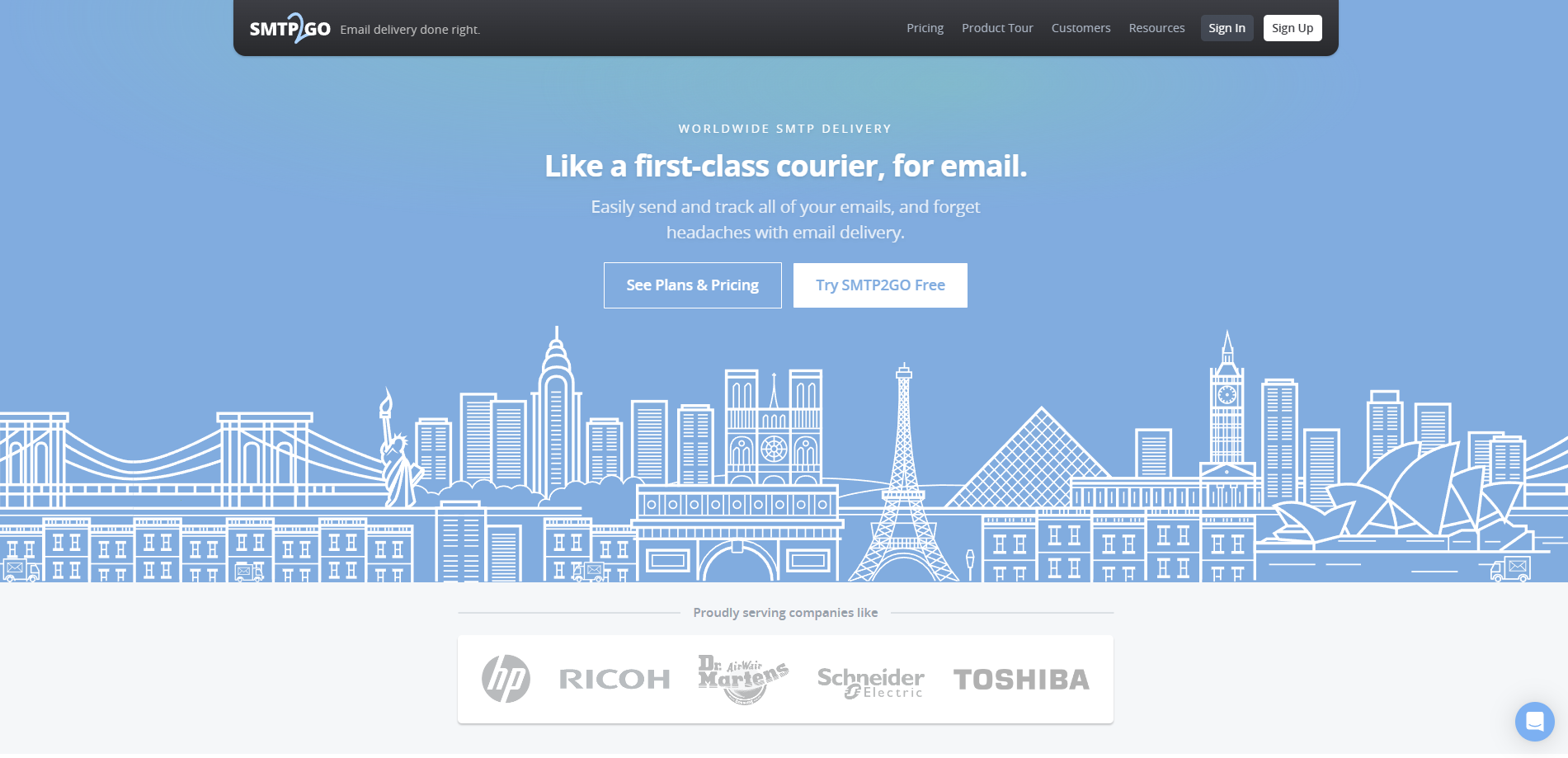
SMTP2GO focuses on straightforward SMTP relay, which makes it easy to connect printers, CRMs, help desks and WordPress. The free plan covers 1,000 emails a month, paid plans start at $15/month, and paid plans include ticket, chat and phone support.
✅SMTP2GO Pros:
- Very easy SMTP setup for business software
- Free plan: 1,000 emails a month
- Phone support on paid plans
❌SMTP2GO Cons:
- Smaller developer ecosystem
- Reporting history limited on lower plans
💰Pricing: Free (1,000/month); paid from $15/month.
Best for: Small businesses relaying email from everyday software.
6. SparkPost — Best for High-Volume Analytics
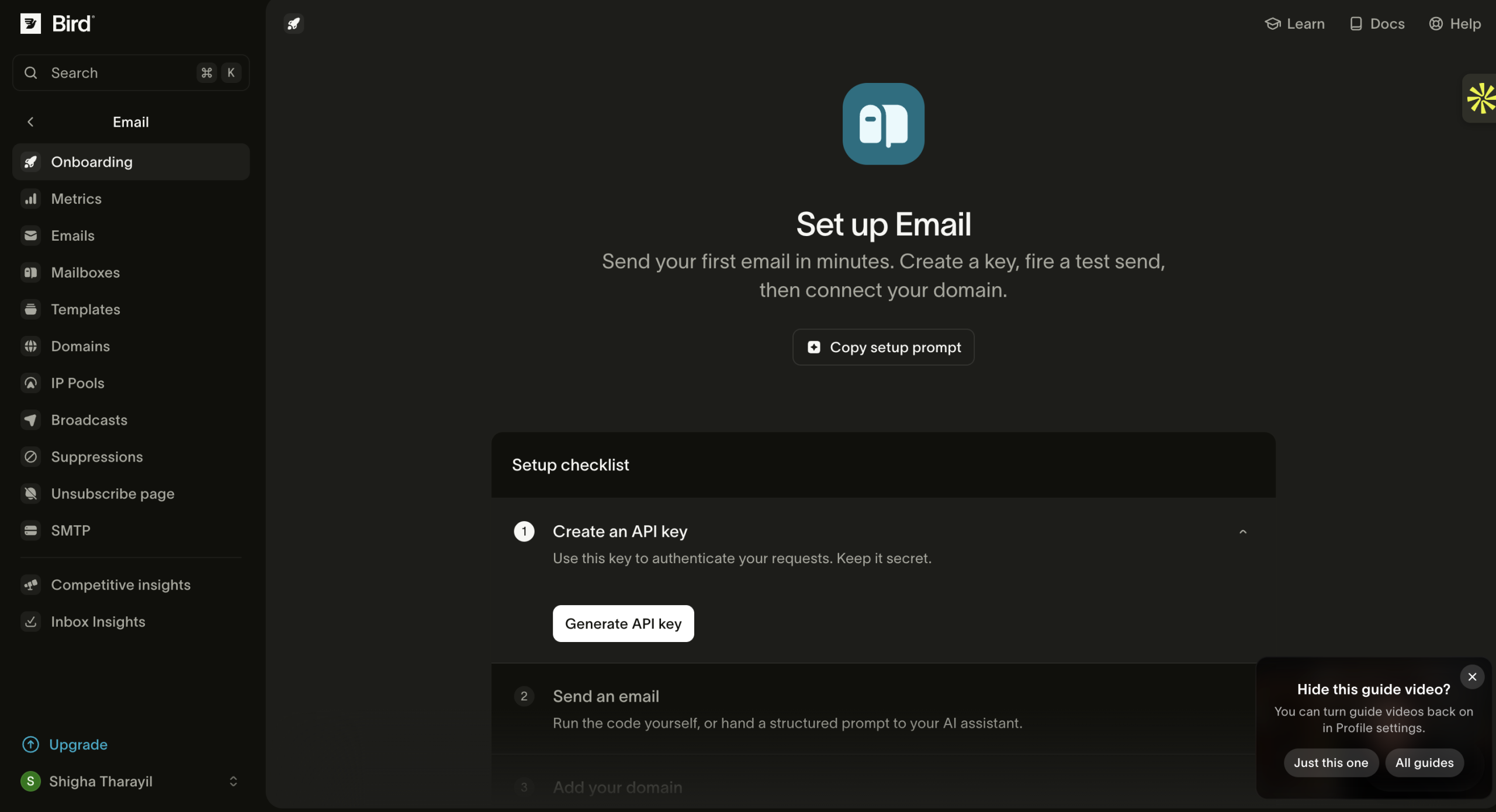
SparkPost (part of Bird) is built for large senders, with detailed analytics and deliverability insights. The Test plan is free for small volumes. Startup costs from $15/month for 50,000 emails and Premier from $80/month for 100,000.
✅SparkPost Pros:
- $15/month for 50,000 emails
- Strong analytics for high-volume senders
- Free test plan
❌SparkPost Cons:
- Overage per 1,000 adds up on small plans
- Interface aimed at technical teams
💰Pricing: Test free; Startup from $15/month (50K); Premier from $80/month (100K).
Best for: High-volume senders who want deep analytics.
7. Brevo — Best Free Daily Allowance
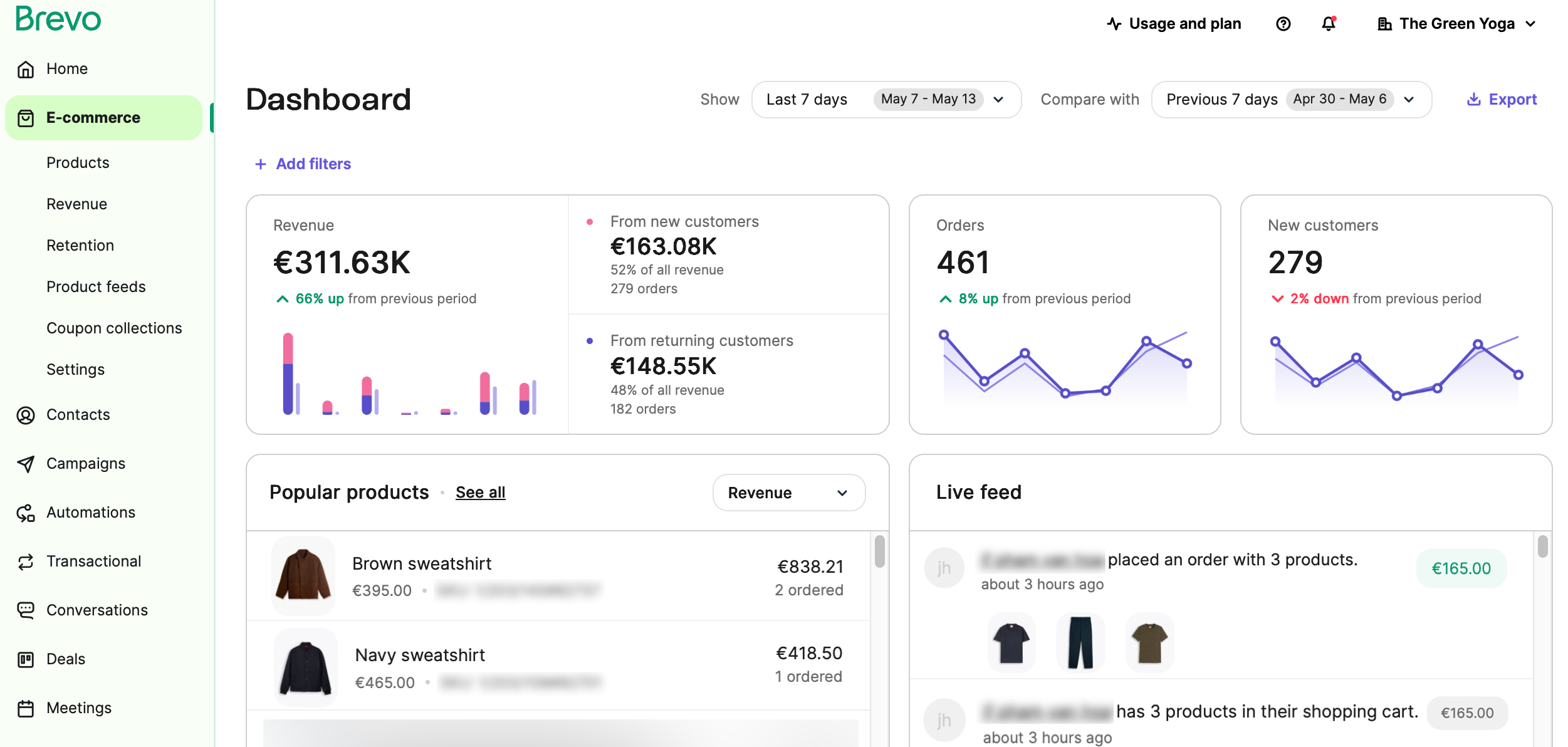
Brevo includes a transactional API and SMTP relay with its marketing plans. The free plan sends up to 300 emails a day, and paid plans are priced by monthly email volume, starting at $9/month for 5,000 emails. SMS and WhatsApp are available too.
✅Brevo Pros:
- Free relay for up to 300 emails a day
- Transactional and marketing email in one account
- SMS and WhatsApp available
❌Brevo Cons:
- Daily cap on the free plan
- Costs rise with every email sent
💰Pricing: Free (300/day); Starter from $9/month (5,000 emails).
Best for: Small sites that want a free relay plus marketing tools.
Postmark vs SendGrid
The two are often compared head to head. Here’s how they differ:
| Postmark | SendGrid | |
|---|---|---|
| Focus | Transactional only; strict on content | Transactional plus marketing (Marketing Campaigns) |
| Free option | 100 emails/month | 60-day trial (100/day) |
| 10,000 emails | $15 (Basic) | $19.95 (Essentials) |
| 50,000 emails | $15 + $1.80 per extra 1,000 | $19.95 (Essentials) |
| 100,000 emails | Higher tiers | $89.95 (Pro, dedicated IP) |
| Strength | Speed, clear logs, message streams | Ecosystem, SDKs, scale |
Short answer: Postmark is the better pick for small volumes where speed and clean logs matter most. SendGrid is cheaper as volume grows and offers marketing email in the same account. For SendGrid against its other big rival, see SendGrid vs Mailgun.
Price Comparison at 10,000, 50,000 and 100,000 Emails
Monthly prices from each provider’s pricing page on October 15, 2026.
| Service | 10,000 | 50,000 | 100,000 | Free option |
|---|---|---|---|---|
| Postmark (for reference) | $15 | $15 + overage | Higher tiers | 100/month |
| Mailercloud Email API | $10 | $10 | $100 (500K plan) | 14-day trial |
| Amazon SES | $1 | $5 | $10 | Pay as you go |
| Mailgun | $15 | $35 | $90 | 100/day |
| SendGrid | $19.95 | $19.95 | $89.95 | 60-day trial |
| SparkPost | — | $15 | $80 | Test plan |
| SMTP2GO | From $15 | Scales | Scales | 1,000/month |
| Brevo | By emails | By emails | By emails | 300/day |
The Mailercloud View: How to Switch Without Hurting Deliverability
- Authenticate the new provider first. Publish SPF (RFC 7208) and DKIM (RFC 6376) records, and keep your DMARC policy in place (dmarc.org). Gmail and Yahoo require all three for bulk senders (Google’s guidelines, Yahoo’s best practices). Our SPF, DKIM and DMARC setup guide walks through each record.
- Move one message type at a time. Start with low-risk notifications, then password resets and receipts.
- Warm up gradually if you’re moving to a dedicated IP.
- Watch bounces and complaints for the first two weeks, and check domain reputation in Google Postmaster Tools (see how to check your domain reputation). Our guide to hard vs soft bounces explains what to look for.
- Use TLS on port 587 or 465. See our guide to choosing the right SMTP port.
For a wider comparison of providers, see our lists of the best transactional email services and SMTP relay services.
Frequently Asked Questions
What is the best alternative to Postmark?
The Mailercloud Email API is the best Postmark alternative for most teams in 2026. It costs $10/month for 50,000 emails, supports SMTP and REST, and includes email marketing in the same account. Amazon SES is cheapest at very high volume.
Is there a cheaper alternative to Postmark?
Yes. Mailercloud ($10 for 50,000 emails), SparkPost ($15 for 50,000) and Amazon SES ($0.10 per 1,000) are all cheaper than Postmark once you send more than 10,000 emails a month.
Is Postmark better than SendGrid?
Postmark is better for small, speed-critical transactional sending; SendGrid is better as volume grows and if you need marketing email too. At 50,000 emails, SendGrid Essentials costs $19.95.
Does Postmark have a free plan?
Postmark’s free developer plan includes 100 emails a month for testing. For a bigger free allowance, look at Brevo (300 a day), SMTP2GO (1,000 a month) or Mailgun (100 a day).
Who owns Postmark?
Postmark is owned by ActiveCampaign, which acquired it in 2022.
Can I send marketing emails with Postmark?
Postmark offers broadcast message streams, but it’s built for transactional email and has strict content rules. For newsletters and automation, choose a provider with marketing tools, such as Mailercloud, SendGrid or Brevo.
Final Verdict
Postmark is still excellent for fast, reliable transactional email at low volume. If price or marketing email is pushing you to look elsewhere, the Mailercloud Email API gives you SMTP and API sending for $10/month for 50,000 emails, with marketing in the same account. Choose Amazon SES for the lowest cost at scale, Mailgun for inbound email and logs, and SendGrid for the widest ecosystem.
Send 50,000 transactional emails for $10 — try the Mailercloud Email API
★★★★★ 4.5/5 on G2, Capterra & Trustpilot · Trusted by 35,000+ businesses
14-day free trial · SMTP & API · Marketing in the same account

As a Marketing Director, I develop and implement marketing strategies, conduct market research, and manage a team of marketing professionals. With a successful track record of launching campaigns that drive revenue growth, I bring my marketing expertise to blog writing, creating engaging content that promotes the brand and its products/services.